
Essential Tips for Effective Counseling Sessions
- Dana Stuckey
- Apr 17
- 4 min read

Counseling is a powerful tool for personal growth and healing. Whether you are a seasoned professional or just starting in the field, creating effective counseling sessions is crucial for fostering a supportive environment. This blog post will explore essential tips that can enhance your counseling practice, ensuring that your clients feel heard, understood, and empowered.

Understanding the Counseling Environment
The environment in which counseling takes place can significantly impact the effectiveness of the session. Here are some key aspects to consider:
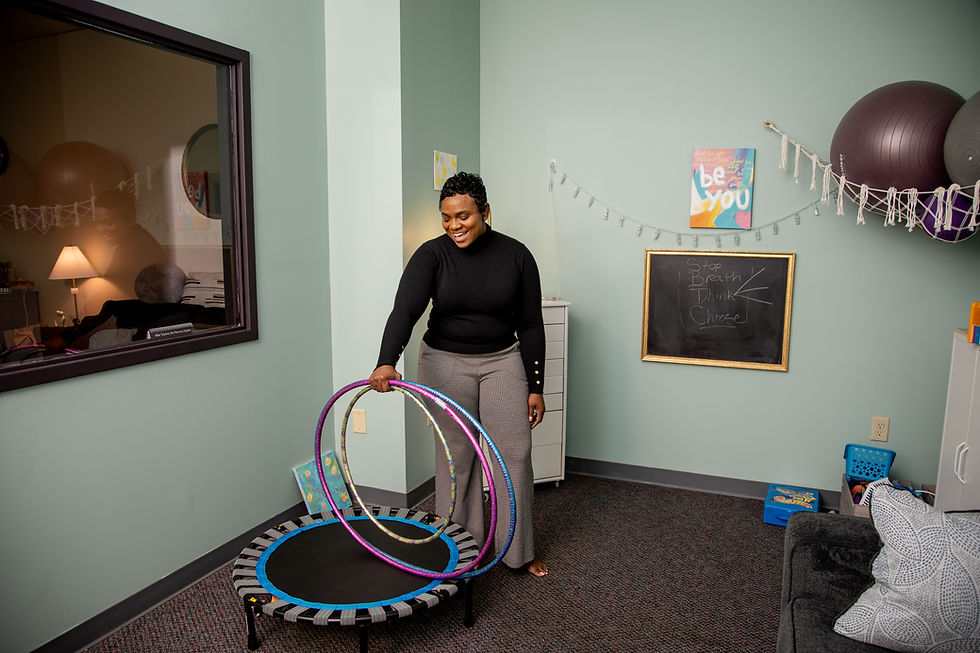
Create a Comfortable Space
Seating Arrangement: Ensure that the seating is comfortable and arranged to promote open communication. A circular or semi-circular setup can help reduce barriers.
Lighting: Use soft, warm lighting to create a calming atmosphere. Avoid harsh fluorescent lights that can create discomfort.
Decor: Incorporate calming colors and artwork that resonate with peace and tranquility. Plants can also enhance the environment by adding a touch of nature.
Privacy Matters
Confidentiality is a cornerstone of counseling. Make sure that your space is private and free from interruptions. This not only protects your clients' privacy but also helps them feel safe to share their thoughts and feelings.
Building Rapport with Clients
Establishing a strong rapport with clients is essential for effective counseling. Here are some strategies to foster this connection:
Active Listening
Active listening involves fully concentrating on what the client is saying, understanding their message, and responding thoughtfully. Here are some techniques:
Reflective Responses: Paraphrase what the client has said to show that you are engaged and understand their perspective.
Non-Verbal Cues: Use body language, such as nodding and maintaining eye contact, to convey empathy and understanding.
Empathy and Validation
Clients need to feel that their feelings are valid. Show empathy by acknowledging their emotions and experiences. Phrases like "It sounds like you're feeling..." can help clients feel understood.
Setting Clear Goals
Setting clear goals for each session can guide the counseling process and provide a sense of direction. Here’s how to do it effectively:
Collaborate on Goals
Work with your clients to establish specific, measurable, achievable, relevant, and time-bound (SMART) goals. This collaborative approach empowers clients and gives them ownership of their progress.
Regularly Review Goals
At the beginning of each session, take a moment to review the goals set in previous meetings. This helps track progress and allows for adjustments if necessary.
Utilizing Effective Techniques
Different counseling techniques can be employed based on the client's needs. Here are a few effective methods:
Cognitive Behavioral Techniques
Cognitive Behavioral Therapy (CBT) focuses on identifying and changing negative thought patterns. Encourage clients to challenge their thoughts and replace them with more positive, realistic ones.
Mindfulness Practices
Incorporating mindfulness techniques can help clients manage anxiety and stress. Simple breathing exercises or guided imagery can be effective tools to promote relaxation.
Encouraging Client Participation
Active participation from clients can enhance the effectiveness of counseling sessions. Here are some ways to encourage this:
Open-Ended Questions
Use open-ended questions to prompt deeper discussions. Instead of asking, "Did you have a good week?" try, "What were some highlights from your week?" This encourages clients to share more about their experiences.
Homework Assignments
Assigning homework can help clients apply what they learn in sessions to their daily lives. This could include journaling, practicing mindfulness, or trying new coping strategies.
Handling Difficult Conversations
Difficult topics may arise during counseling sessions. Here are some strategies to navigate these conversations:
Approach with Sensitivity
When discussing sensitive issues, approach the topic with care. Use gentle language and allow clients to express their feelings without pressure.
Normalize Feelings
Reassure clients that it is normal to feel a range of emotions. Validating their feelings can help them feel more comfortable discussing challenging topics.
Maintaining Professional Boundaries
Establishing and maintaining professional boundaries is essential for a successful counseling relationship. Here are some tips:
Define Boundaries Clearly
At the outset of the counseling relationship, clearly define the boundaries regarding confidentiality, session length, and communication outside of sessions.
Be Consistent
Consistency in enforcing boundaries helps build trust. If a boundary is crossed, address it promptly and professionally.
Continuous Learning and Development
The field of counseling is always evolving. Here are ways to stay updated and improve your skills:
Attend Workshops and Training
Participate in workshops, seminars, and training sessions to learn new techniques and approaches. This not only enhances your skills but also keeps you motivated.
Seek Supervision and Feedback
Regular supervision and feedback from peers can provide valuable insights into your practice. Constructive criticism can help you identify areas for improvement.
Conclusion
Creating effective counseling sessions requires a thoughtful approach that prioritizes the client's needs. By fostering a comfortable environment, building rapport, setting clear goals, and utilizing effective techniques, you can enhance the counseling experience for your clients. Remember, the ultimate goal is to empower them on their journey toward healing and growth.
Take these tips into your practice and watch as your counseling sessions transform into powerful tools for change.

Comments